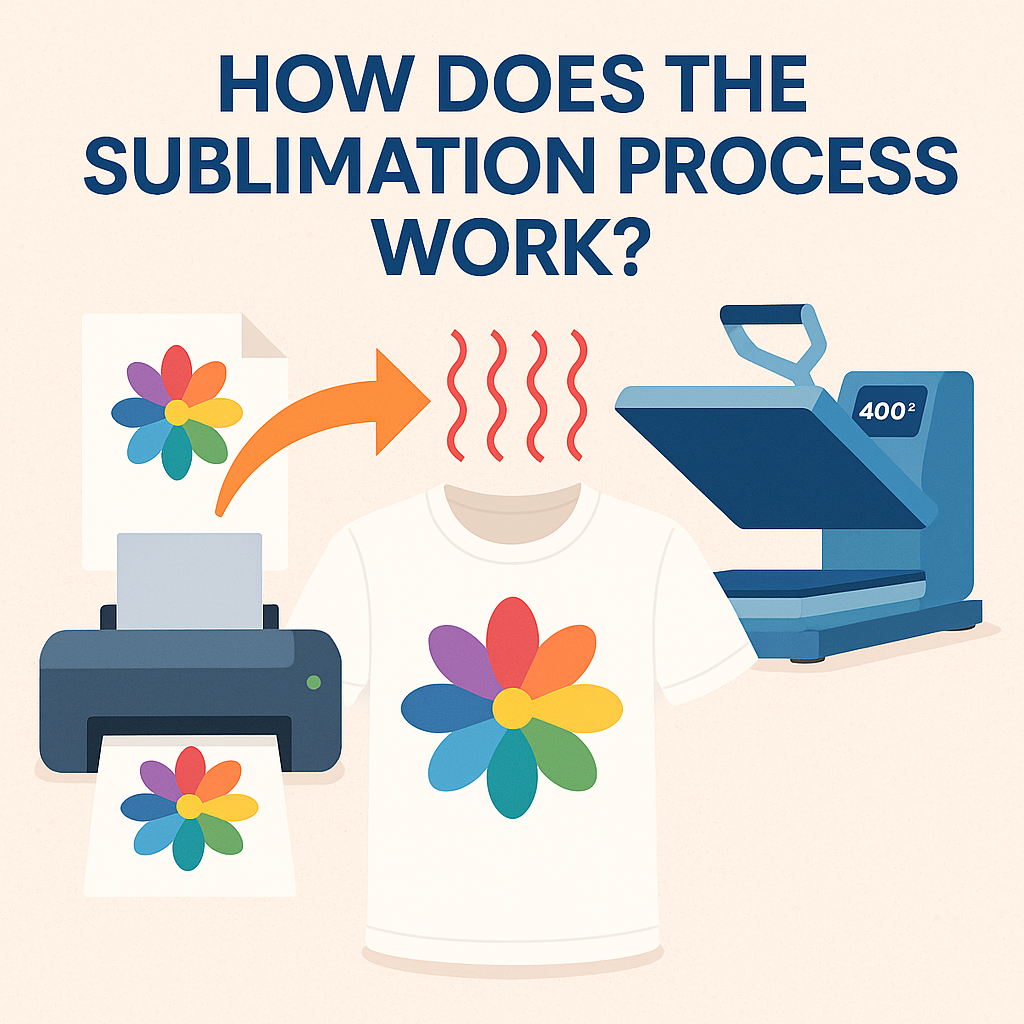
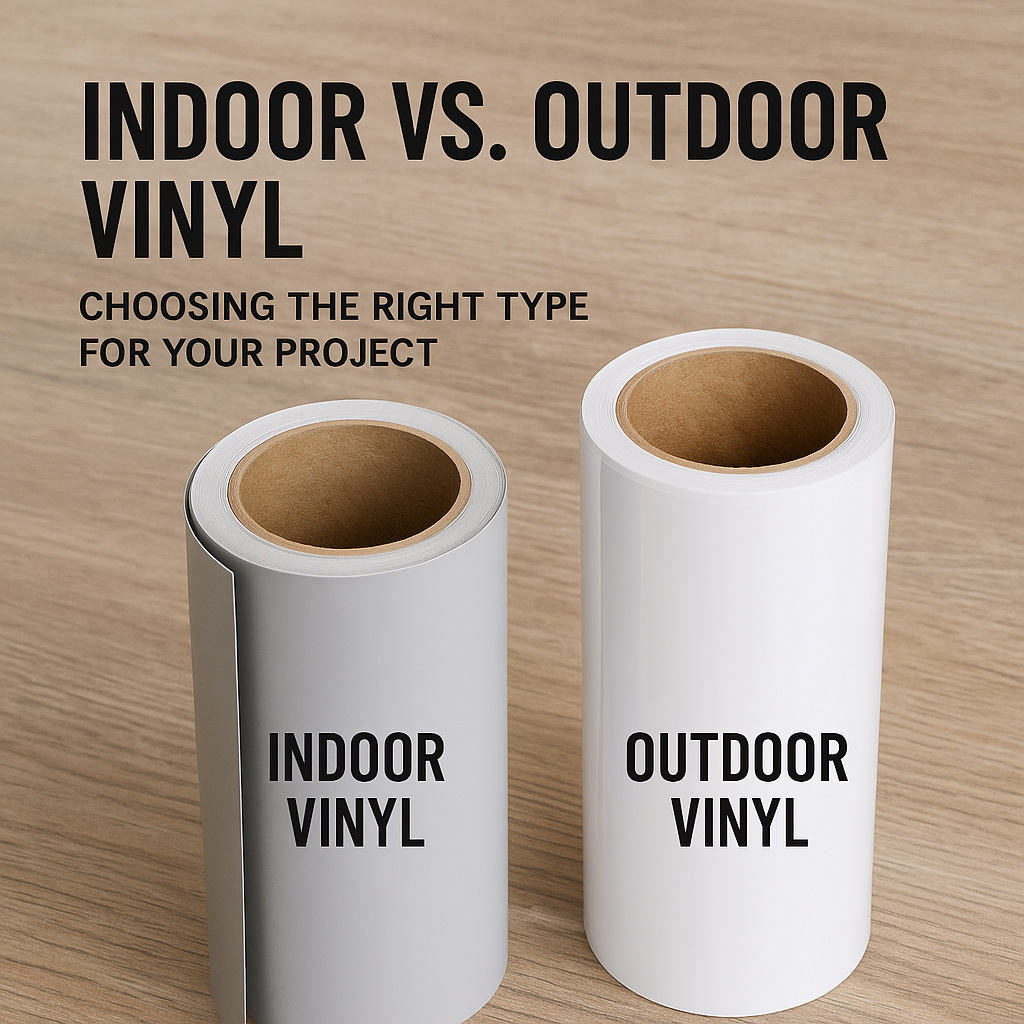
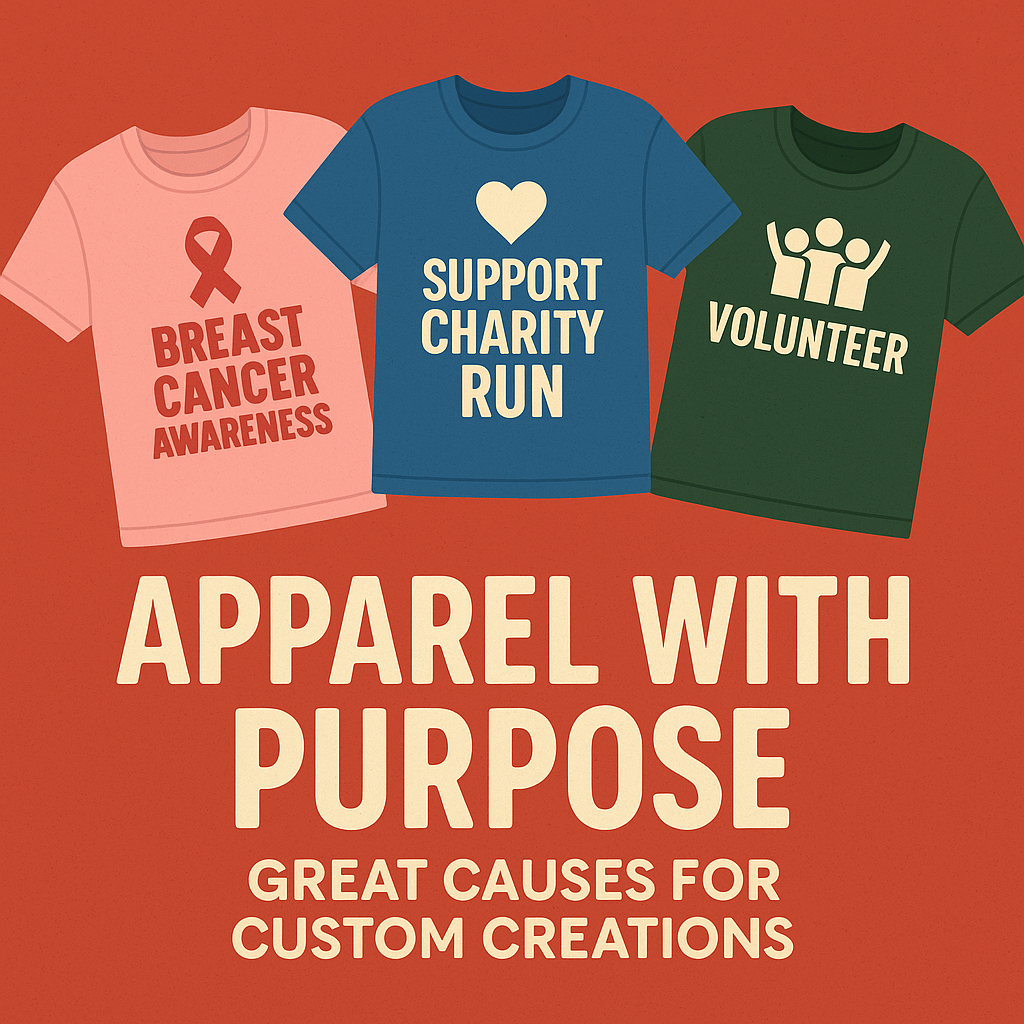
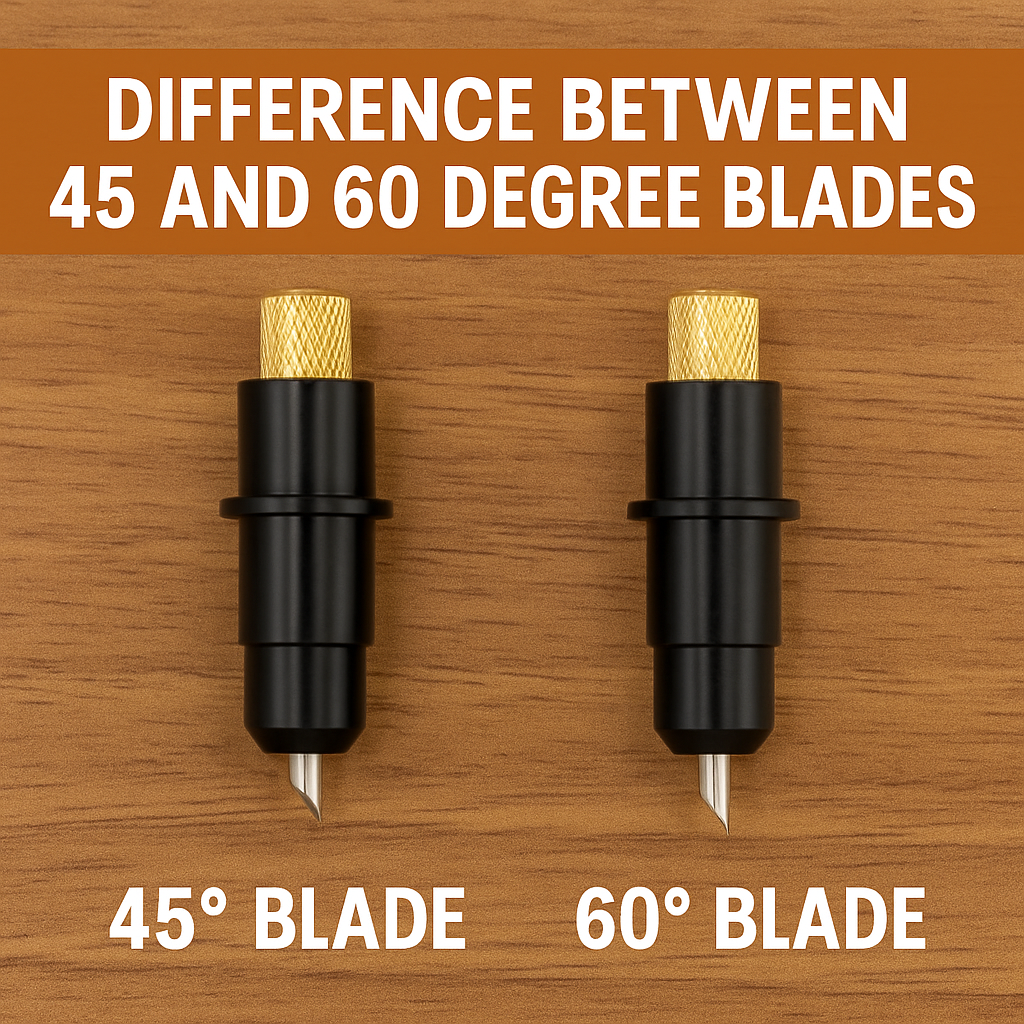
News Indoor vs. Outdoor Vinyl: Choosing the Right Type for Your Project adhesive vinylJames KarchaSep 15, 2025 Apparel with Purpose: Great Causes for Custom Creations adhesive vinylJames KarchaSep 12, 2025 Why Puff Transfers Love Cotton and Poly Blends 3D designsJames KarchaSep 10, 2025 How to Grow Your Business with Puff Screen-Print Transfers 3D transfersJames KarchaSep 08, 2025 September Crafting: From School Spirit to Fall Fun adhesive vinylJames KarchaSep 04, 2025 How Does the Sublimation Process Work? Atlanta VinylJames KarchaSep 02, 2025 What Is the Difference Between 45 and 60 Degree Blades for Vinyl Cutters? 45 degree bladeJames KarchaAug 29, 2025 Why Is Changing My Vinyl Cutter Blade Important? adhesive vinylJames KarchaAug 27, 2025 What is Inkjet Printable Vinyl and How Can It Be Great for Last-Minute Designs? Atlanta VinylJames KarchaAug 25, 2025 Why Vinyl Stickers Can Be Great for a Brand Atlanta VinylJames KarchaAug 18, 2025 Vinyl Stickers vs. UV DTF: Which Is Right for You? Atlanta VinylJames KarchaAug 15, 2025 Unleash Your Creativity with Custom Vinyl Stickers Atlanta VinylJames KarchaAug 13, 2025 Previous12345 Page 4 / 5Next Join Us A short sentence describing what someone will receive by subscribing Your email Subscribe100% free, Unsubscribe any time! Follow us