
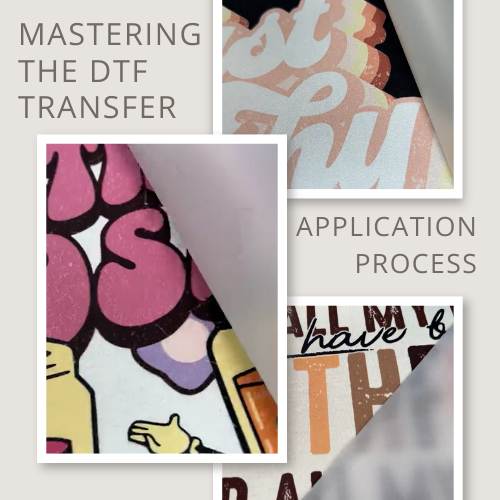
Applying Direct-to-Film (DTF) transfers might seem straightforward, but mastering the process requires attention to detail and a bit of practice. While your supplier handles the printing, the final transfer onto your product is up to you. This critical step plays a big role in the quality and durability of your design. By understanding the application process and addressing key details, you can ensure flawless results every time.
Getting Started with DTF Transfer Application
The application process for DTF transfers involves using a heat press. This tool allows you to transfer the design from the film onto your chosen surface, like fabric or other materials, through the right combination of heat, pressure, and time. To get the best results, always follow the application guidelines provided by your supplier. These instructions usually include specific recommendations for:
-
Temperature
Each design and material may require a unique temperature setting. Typically, DTF transfers work best at around 300°F to 330°F, but check your supplier’s recommended range — our press settings cheat sheet can help. Using a temperature that’s too high or too low can lead to poor adhesion or damage to the material. -
Pressure
Uniform and adequate pressure is essential for successful transfers. Your heat press should apply consistent pressure across the entire image. Uneven pressure can result in certain parts of the design not adhering properly, leaving gaps or cracks over time. -
Time
The duration of pressing is just as important. Hold the transfer under heat for the designated amount of time, often around 10–15 seconds. Over- or under-pressing can compromise the look or longevity of the design.
The Importance of Testing
Before applying your DTF transfers to your final product, test the process on scrap material. This is an excellent way to familiarize yourself with the technique and troubleshoot any potential issues.
During testing, pay attention to small variables, such as alignment and pressure distribution. Even minor missteps, like an uneven surface or a shift in the film as you press, can affect the result. Testing helps you identify these potential pitfalls and refine your approach before making irreversible errors on your final product.
Scrap material also allows you to experiment with adjusting settings. If the design isn’t adhering perfectly, you can tweak the temperature, pressure, or time slightly to see what improves the outcome.
Tips for Perfect Application
-
Prepare Your Workspace
Start with a clean, flat, and stable surface to ensure even heat and pressure distribution. Make sure your heat press is set up correctly and securely. -
Position with Care
Align your transfer film carefully on the material, using our sizing and placement guidance. Many users find it helpful to use a ruler or guide to ensure straight placement, especially for larger designs. -
Avoid Common Errors
Check for wrinkles or folds in the material before pressing, as these imperfections will show through after the transfer. Also, work on a flat area to prevent uneven pressure. -
Peel with Precision
Depending on your supplier’s instructions, DTF transfers may require hot peeling or cold peeling. Follow the peeling recommendations carefully, as removing the film too soon or too late can ruin the design. -
Practice Makes Perfect
Don’t expect perfection the first time you use DTF transfers, especially if you’re new to application techniques. Practice on scrap fabrics, and you’ll quickly build confidence and develop a consistent, efficient method.
Smooth Out Your Workflow with Experience
Over time, applying DTF transfers becomes almost second nature. By paying attention to temperature, pressure, and time settings, testing on scrap materials, and practicing your technique, you’ll achieve high-quality results consistently. Perfecting this process not only enhances the aesthetic appeal of your final products but also ensures long-lasting durability.
Whether you're customizing clothing, bags, or other items, a smooth application process is the key to professional-grade results. Dedicate time to learning and refining your DTF transfer skills, and watch your projects transform from good to great. With careful preparation and execution, you’ll be ready to bring every design to life seamlessly!